
Understanding cultural perspectives on gambling A global exploration
The Historical Context of Gambling
Gambling has been a part of human culture for centuries, with its roots tracing back to ancient civilizations. The earliest records of gambling date back to around 3000 BC, where dice made from bone were used in various games of chance in Mesopotamia. As societies evolved, so did gambling practices, reflecting cultural values and norms. In ancient Rome, for instance, the popularity of games was linked to public festivals, demonstrating how gambling was integrated into social activities. Today, you can explore numerous platforms, including https://westacee.com/, that cater to diverse gaming preferences.
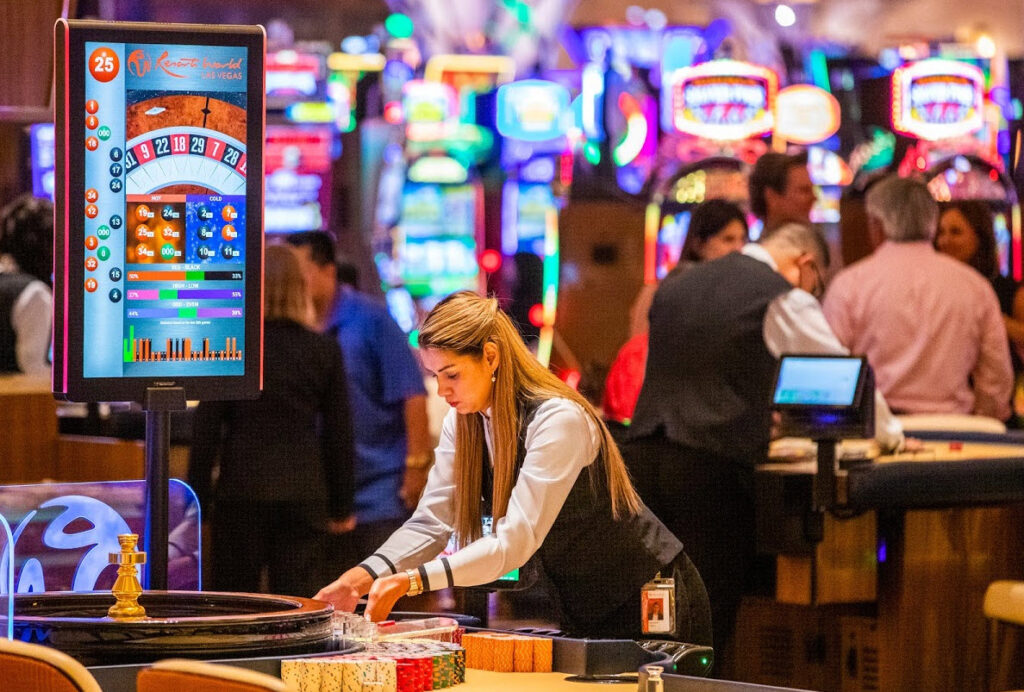
In different cultures, gambling has been viewed through varying lenses—ranging from a form of entertainment to a vice. In some cultures, gambling is steeped in rituals and traditions, such as the Chinese practice of playing Mahjong during family gatherings, which not only serves as entertainment but also fosters familial bonds. Conversely, other societies have implemented strict laws against gambling, reflecting a belief that it can lead to moral decay and economic hardship.
As we explore these historical contexts, it’s important to recognize that gambling has continually adapted to societal changes. The rise of technology in the 21st century has brought about online gambling, transforming how people engage with games of chance. This shift highlights the ongoing evolution of gambling and its ability to reflect and adapt to cultural shifts across the globe.
The Influence of Religion on Gambling Attitudes
Religious beliefs play a significant role in shaping cultural perspectives on gambling. In societies where religious doctrines are prominent, gambling is often viewed through the prism of morality. For instance, in Islam, gambling is strictly prohibited due to the belief that it promotes greed and can lead to social injustices. This prohibition shapes the attitudes of millions who adhere to the faith, making gambling less common in predominantly Muslim countries.
Conversely, certain Western cultures, influenced by Christianity, have historically had a more lenient view on gambling. While some denominations discourage gambling, others accept it as a harmless form of entertainment. In countries like the United States, where Christianity is a major influence, various forms of legalized gambling, such as state lotteries and casinos, thrive. This duality in perspective reflects how religious beliefs can create stark contrasts in gambling attitudes and practices globally.
Additionally, some cultures integrate religious festivities with gambling activities, as seen during events such as Las Vegas’s New Year’s Eve celebrations. Here, the convergence of religious reflection and gaming showcases a unique blend of cultural practices. Understanding these religious influences provides deeper insight into why gambling is embraced in some regions while stigmatized in others.
The Role of Luck and Skill in Gambling
Central to the gambling experience is the debate between luck and skill. In many cultures, luck is often romanticized, with beliefs tied to chance influencing gambling practices. In games like roulette or slot machines, players rely heavily on luck, and this randomness appeals to the human desire for unpredictability. For instance, in Japanese culture, pachinko parlors blend elements of luck and skill, showcasing how the appeal of gambling can differ based on the perceived dynamics of each game.
On the other hand, games that emphasize skill, such as poker, are often regarded as a test of intellect and strategy. In countries where poker is popular, such as the United States and parts of Europe, players often invest significant time honing their skills, believing that this knowledge can influence outcomes. The cultural embrace of skill-based gambling reflects a deeper appreciation for strategy, akin to other competitive endeavors.
Ultimately, the balance between luck and skill shapes the gambling landscape. In some cultures, emphasizing luck creates a more casual gambling environment, while others foster a competitive atmosphere focusing on skill. This balance not only affects individual experiences but also influences the broader cultural acceptance of gambling as a pastime.
The Social Dynamics of Gambling
Gambling often serves as a social activity, providing opportunities for people to connect and interact. In many cultures, casino games or betting events are communal experiences that bring families and friends together. For example, in the United Kingdom, betting on horse races is a traditional social event, attracting groups of people who share the excitement of placing bets together. This communal aspect highlights the role gambling plays in fostering social bonds.
However, not all social dynamics associated with gambling are positive. In some cultures, gambling can lead to significant social challenges, such as addiction and economic instability. Countries like Japan have seen a rise in gambling-related issues, prompting governmental initiatives to address these challenges. This dual nature of gambling as both a bonding activity and a potential source of societal problems underlines the complexity of its cultural acceptance.
Furthermore, the rise of online gambling has reshaped the social dynamics of gaming. Virtual platforms allow players to connect across distances, creating a global community. While this innovation has made gambling more accessible, it has also raised concerns about isolation and addiction. Understanding these social dynamics is essential for navigating the cultural landscape of gambling in today’s interconnected world.

Exploring Online Gambling and Its Global Impact
The advent of online gambling has revolutionized how people engage with games of chance. With platforms offering a variety of options from slots to live dealer games, the online gambling world is rapidly expanding. This growth has led to changes in cultural perspectives as more individuals participate in gambling from the comfort of their homes. Countries with traditionally strict views on gambling are finding it challenging to regulate this emerging landscape.
For instance, many European nations have embraced online gambling, creating a regulated market that allows for safer gaming experiences. This acceptance has often been driven by the potential for economic benefits, such as tax revenue and job creation. However, the accessibility of online gambling can exacerbate gambling addiction, prompting ongoing debates about regulation and responsible gaming practices.
The global nature of online gambling also raises questions about cultural attitudes toward gaming. Players from various backgrounds interact within virtual platforms, sharing their experiences and perspectives. This blending of cultures can lead to new interpretations of gambling practices and attitudes, fostering a diverse environment. As online gambling continues to evolve, understanding its global impact will be crucial for shaping future discussions about gambling culture.
In summary, the cultural perspectives on gambling are as diverse as the practices themselves. Historical contexts, religious beliefs, the balance between luck and skill, social dynamics, and the rise of online gambling all contribute to a complex tapestry of attitudes surrounding this activity. As societies navigate the evolving landscape of gambling, recognizing these cultural nuances will be essential for fostering responsible practices and understanding the implications of gambling on a global scale.
For those looking to explore the exciting world of online gambling, platforms like WestAce Casino offer a diverse array of games and opportunities. With a commitment to customer support and an engaging gaming experience, WestAce provides a safe and enjoyable environment for players. Whether you’re a seasoned gambler or a newcomer, the opportunities at WestAce Casino ensure that everyone can find their place in the thrilling realm of online gaming.